
I Quit Instagram for 7 Days. The First 48 Hours Were Worse Than I Expected.
Quick take
Quit Instagram for 7 days and see what changes. Track phantom taps, stress, and attention, then decide what to reinstall after a week off.
Explore this topic
Article body
I Quit Instagram for 7 Days. The First 48 Hours Were Worse Than I Expected.
I deleted the app on a Sunday night, feeling confident. Instagram, I had decided, was a mild habit I could set aside whenever I chose. I was not addicted in any meaningful way. I simply used it regularly, the way you use a light switch — automatically, without particular attachment. I would take seven days off, feel slightly refreshed, and return with a healthier relationship. Very calm. Very in control.
Monday morning I unlocked my phone and tapped the empty space where the icon used to be. Then I did it again. Then two minutes later, again. I counted by the end of the day: twenty-three times I reached for an app that wasn't there. Twenty-three distinct moments across one ordinary school day where something in my brain wanted exactly that input and found nothing. That number was not the number of a person who had a mild habit.
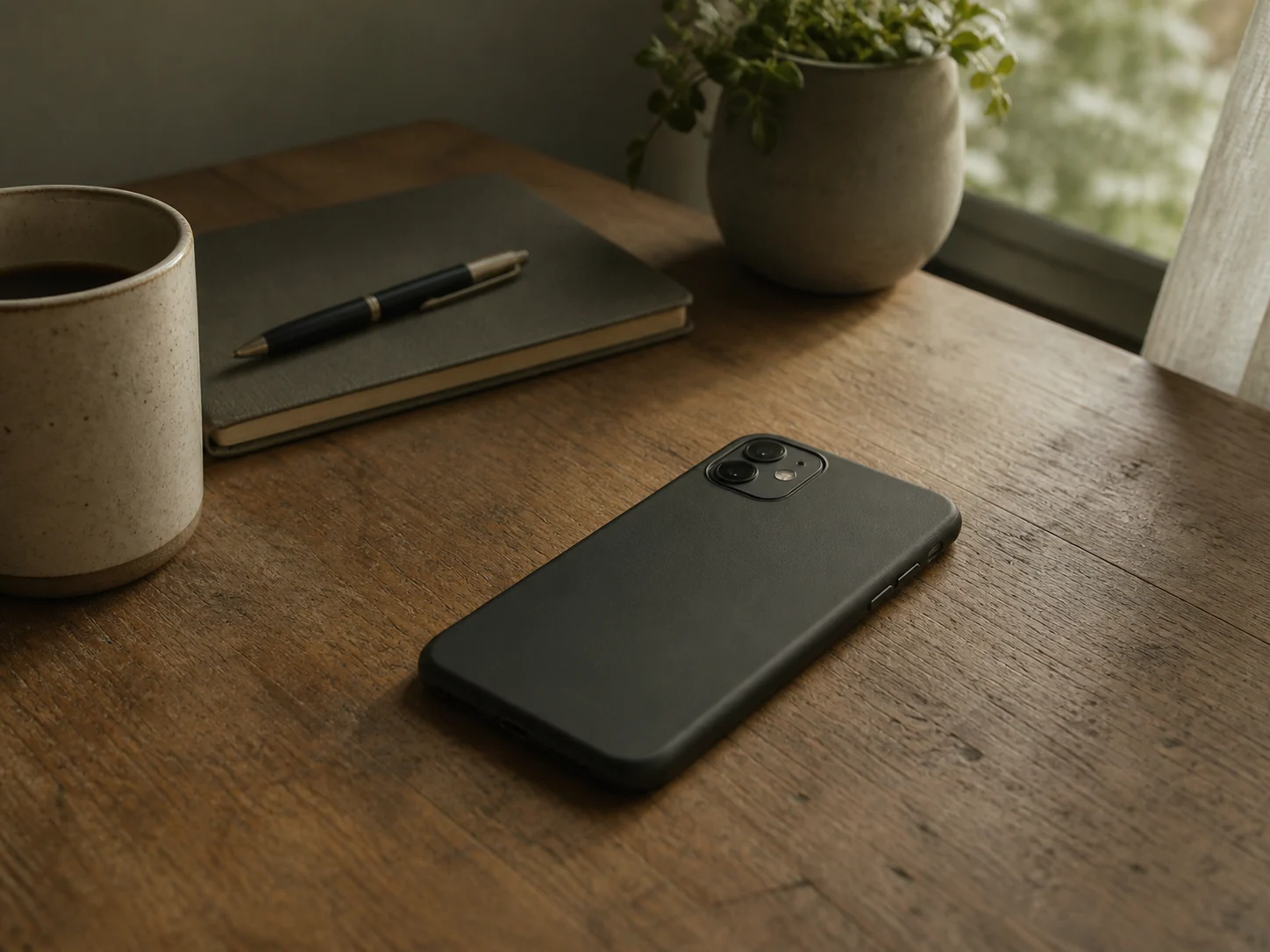
Day 1: I thought this would be easy. The 23 phantom taps by evening said otherwise.
Days 1 and 2: The Phantom Reach
The phantom reach — unlocking your phone and moving toward a deleted app out of pure muscle memory — happened so frequently in the first 48 hours that I started keeping count. By Tuesday evening the total was somewhere around forty-two. Not forty-two conscious decisions to check Instagram. Forty-two times my thumb moved without my brain having issued any instruction. That distinction is what made the first two days genuinely unsettling rather than just inconvenient.
The specific triggers became visible once I was paying attention. Waiting for the microwave. Any gap between one task ending and another beginning. The moment a lecture got slightly boring. Finishing a meal. Sitting in an auto. The thirty seconds before sleep. These were all Instagram moments — tiny pockets of unstructured time that the app had colonised so thoroughly that my hands now treated them as its territory even without it installed. The boredom wasn't the problem. The inability to sit in boredom without immediately reaching for something was the problem.
Days 3 and 4: The Quieter Hours
By Wednesday the phantom reach count had dropped to about twelve. Not because I had healed anything in two days, but because the absence was starting to feel like a condition rather than an emergency. I started noticing what filled the gap instead — and the filling was more interesting than I expected.
Wednesday evening, waiting for my tuition auto, I stood at the gate and looked at the street for eight minutes without doing anything. This sounds unremarkable. It wasn't. I noticed specific things — the way the evening light came sideways through the gulmohar tree, a kid playing alone with a stick, the specific sound pattern of Bengaluru evening traffic. None of it was exciting. All of it was more real than anything my feed had shown me that week.
Thursday I had a long phone call with my cousin that went for forty-five minutes. We hadn't talked properly in two months, because talking properly requires time and time had been going elsewhere. I didn't consciously connect this to the detox until I hung up and noticed how good the forty-five minutes had felt — and how little I'd made time for conversations like that when I was spending forty-five minutes most evenings scrolling instead.
Days 5, 6, and 7: What Actually Changed
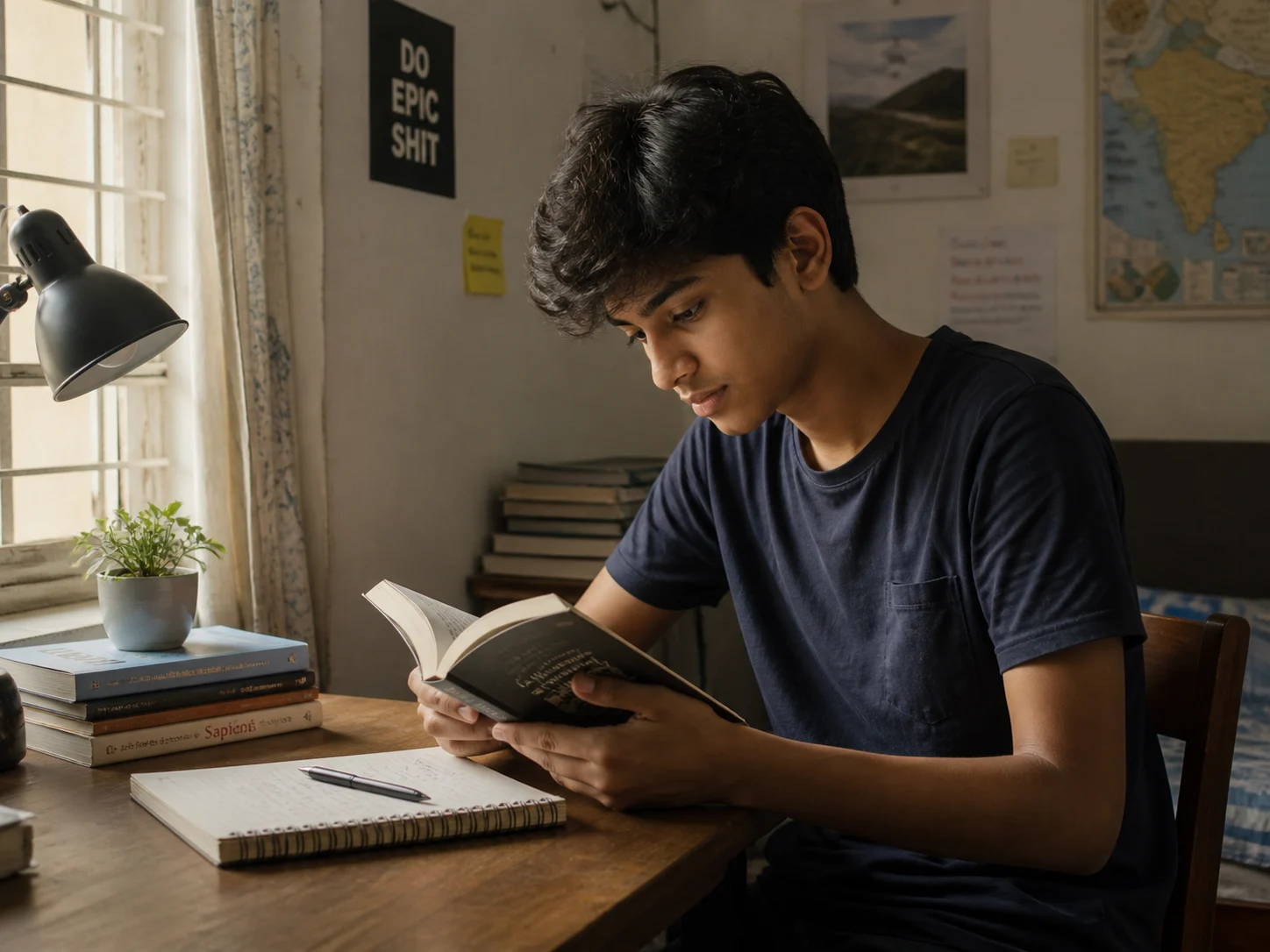
By Day 5 the gap left by Instagram started filling with things that actually gave something back.
The anxiety I'd been carrying — a low-level comparison anxiety I hadn't fully named — had dropped noticeably by Day 5. Not eliminated. Just quieter. The specific mechanism became obvious in retrospect: when you aren't looking at curated versions of other people's lives every few hours, the tendency to measure your own ordinary Tuesday against someone else's highlighted Saturday drops significantly. My Tuesday was just a Tuesday. Without the feed running alongside it, it was fine.
Day 6 I wrote three pages in a notebook — ideas, observations from the week, a letter to a friend I'd been meaning to write for months. Day 7 I finished a book I'd been stuck at the same chapter of for six weeks. Neither of these required inspiration or discipline. They just required the time that had been going somewhere else.
Sunday night — one week exactly — I reinstalled the app. Within four minutes of being back I felt a specific flatness settle in. Not dramatic. Just a faint return of something I'd managed without. I went through my following list and removed forty-six accounts before putting the phone away. The feed that came back was smaller and quieter. It still isn't the same as the week without it.
What I reinstalled on Day 8 — and what I didn't:
Reinstalled: Instagram (with 46 accounts unfollowed and daily time limit set to 30 minutes in Screen Time / Digital Wellbeing settings). WhatsApp — this one was never going away; it's how we actually communicate in India.
Did not reinstall: Snapchat — I'd kept it purely out of habit and hadn't missed it once in seven days. That was the clearest possible signal. YouTube Shorts — the short-video format was doing the same thing to my attention as Instagram Reels. Both gone.
New rule on Day 8: No Instagram before noon and not as the last thing before sleep. These two slots were the highest-anxiety use cases. Everything else I kept.
Quick Tips — If You're Trying This
- Delete, don't just log out — the icon remaining on your home screen is enough to pull your thumb toward it. Delete the app. The account stays. You can reinstall in seven days.
- Tell two or three people you're doing it — the social contract of having said it out loud is underrated. The mild embarrassment of quitting early is more motivating than you'd expect.
- Count the phantom reaches on Day 1 — the number is the most revealing data point of the whole experiment. Whatever you expect, double it. Write the count somewhere.
- Don't replace it with YouTube or Twitter — the point is the time and attention gap, not the specific platform. Filling the gap with another feed defeats the experiment.
- On Day 8, audit your following list before scrolling — the accounts that made you feel worse about yourself are visible with fresh eyes after a week away. Unfollow them before the algorithm has a chance to remind you why you were following them.
Delete the app tonight. Just seven days. The account stays — nothing is lost.
Count your phantom reaches on Day 1. Notice what fills the gap by Day 4. Decide on Day 8 what to reinstall and what to leave gone. Seven days is short enough to commit to and long enough to see something real.
The most interesting part isn't what you miss. It's what you notice when the feed stops running.Comments 0
Keep reading
